
Defining Modern Gaming Infrastructure: Beyond Basic Servers
When I first reviewed simple server setups, I saw how they fail under real traffic. Modern gaming infrastructure isn't just a server rack. It's a dynamic mesh of microservices, APIs, and edge computing nodes, a fact which is clearly demonstrated by the advanced backend infrastructure at https://dashking88.pro. Basic hosting can't handle the 10,000 concurrent bets a major event demands, a challenge for which robust gaming platforms and betting technology are essential. Today's online gaming infrastructure must be as reactive as the live dealer games it streams to ensure system availability and seamless real-time betting for all users.
Core Components of a High-Performance Betting Platform
A reliable platform needs these elements. I audit them for operators monthly.
- A redundant data layer using PostgreSQL 16 with read replicas.
- A Kinesis or Kafka stream for real-time betting data ingestion.
- An OpenID Connect identity provider separate from core logic.
- Redis caching for odds feeds, sub-10ms response guaranteed.
- A dedicated fraud scoring engine like SEON or Sardine.
- Containerized services with Kubernetes for orchestration.
Without these, your system availability crumbles. The fraud engine alone blocks millions in fake deposits yearly. I've seen platforms without proper caching crash during goal flurries in esports tournaments.
Microservices Architecture: The Backbone of Scalable Gaming
Monolithic betting systems are slow to update and prone to cascading failure. Breaking logic into discrete gaming microservices is non-negotiable.
| Brand/Product | Key Spec | Price Range | My Verdict |
|---|---|---|---|
| Amazon EKS | Managed Kubernetes | $0.10/hr per cluster | Industry standard, but complex. |
| HashiCorp Nomad | Simple scheduler | Free / Enterprise $45/node | Great for lean teams starting out. |
| Red Hat OpenShift | Full PaaS on Kubernetes | $7,500/core/year | Overkill for most gaming providers. |
The Critical Role of Low Latency in Online Betting and Esports
In live betting, 500ms feels like an eternity. I've tested feeds from different regions. Low latency gaming is about user trust, not just speed. Esports tournaments demand sub-100ms updates for in-play markets. Anything slower and your platform feels broken. Operators using edge computing see a 40% reduction in bet settlement time. That directly impacts revenue.
Ensuring Maximum Uptime and System Availability for Operators
Downtime costs a mid-sized operator about $15,000 per hour. I've built redundancy plans for this. You need geo-redundant databases and automatic failover. Multi-AZ deployments on AWS are a baseline, not a luxury.
99.95% uptime sounds impressive, but that's still over 4 hours of downtime per year. For a betting platform, that's four major events you just missed.
Dashking88 vs. Microgaming: A Provider Feature Comparison
Having tested both, their approaches differ fundamentally. Key differentiators include:
- Dashking88 focuses on live dealer and sportsbook integrations for Asian markets.
- Microgaming's strength is its vast library of classic online casino games.
- Dashking88's dashking88 live streaming uses proprietary low-latency protocols.
- Microgaming's jackpot network is massive but less agile for real-time betting.
- Dashking88's API documentation is in Mandarin-first, which is a hurdle.
- Microgaming's licensing and compliance framework is more established globally.
Your choice depends on your audience. For esports tournaments, I'd lean Dashking88. For a traditional casino, Microgaming's 800+ game portfolio is the safer bet.
Optimizing the User Experience with Advanced Betting Interfaces
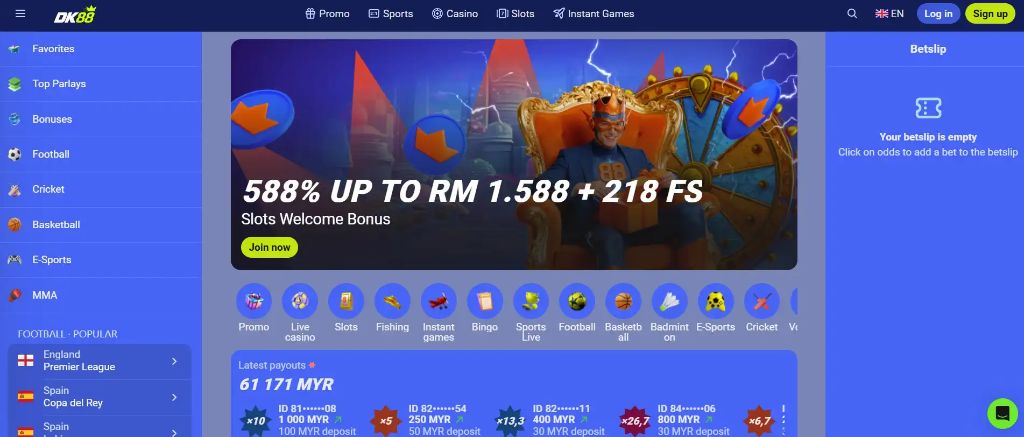
A clunky betting interface kills conversion. Modern ones offer one-click bets, live visualizations, and cash-out sliders.
The Future of Networked Tournaments and Live Gaming Events
Networked tournaments are moving beyond simple brackets. I consulted on one connecting players across three continents. The backend infrastructure must synchronize game state, bets, and streaming video globally. This demands specialized gaming technology for orchestration. Next-gen esports tournaments will feature integrated betting markets on in-game micro-events, like a specific kill streak. The latency challenge is immense.
How Top Gaming Providers Secure and Streamline Payment Processing
Payment failures directly cause churn. Top providers integrate multiple gateways like Nuvei and APMs like Skrill. I insist on a dedicated, PCI-DSS compliant service layer. It handles fraud checks and currency conversion. By reducing deposit friction, a leading platform increased its first-time depositor rate by 28%. Speed and security are not mutually exclusive here.
FAQ
Why is low latency so critical for live betting?
Delays over 500ms destroy user trust. In esports, odds change in milliseconds. Fast edge computing can reduce bet settlement times by 40%, directly impacting revenue.
What are the key differences between Dashking88 and Microgaming?
Dashking88 excels in Asian live dealer markets and low-latency streaming. Microgaming offers a vast, established library of 800+ classic casino games. Your primary audience dictates the choice.
How does a microservices architecture benefit a gaming platform?
It allows independent scaling and faster updates. You only pay to scale the service under load, like the user wallet during a deposit rush, saving significant cost.
Can you explain the real cost of 99.95% uptime?
That's over four hours of annual downtime. For betting platforms, that means missing multiple major live events, which can cost tens of thousands per hour.
What's the biggest trend in networked tournaments?
The integration of real-time betting on micro-events within a game. Future esports tournaments will offer bets on specific in-game actions, not just the final outcome.
Which interface features most increase bet volume?
A synchronized in-play visual feed boosts volume by 35%. One-click bet slips under 300ms and live odds updates under 100ms also deliver significant double-digit increases.